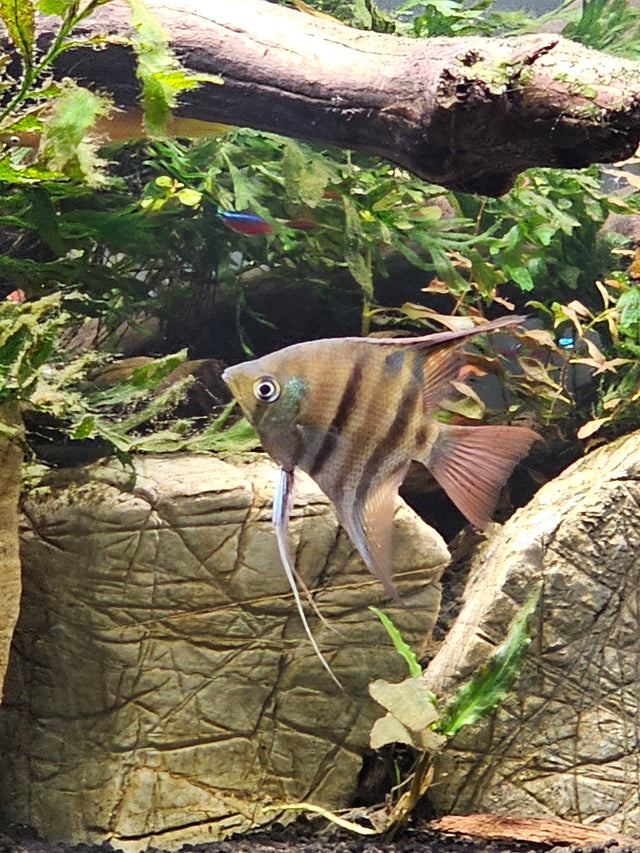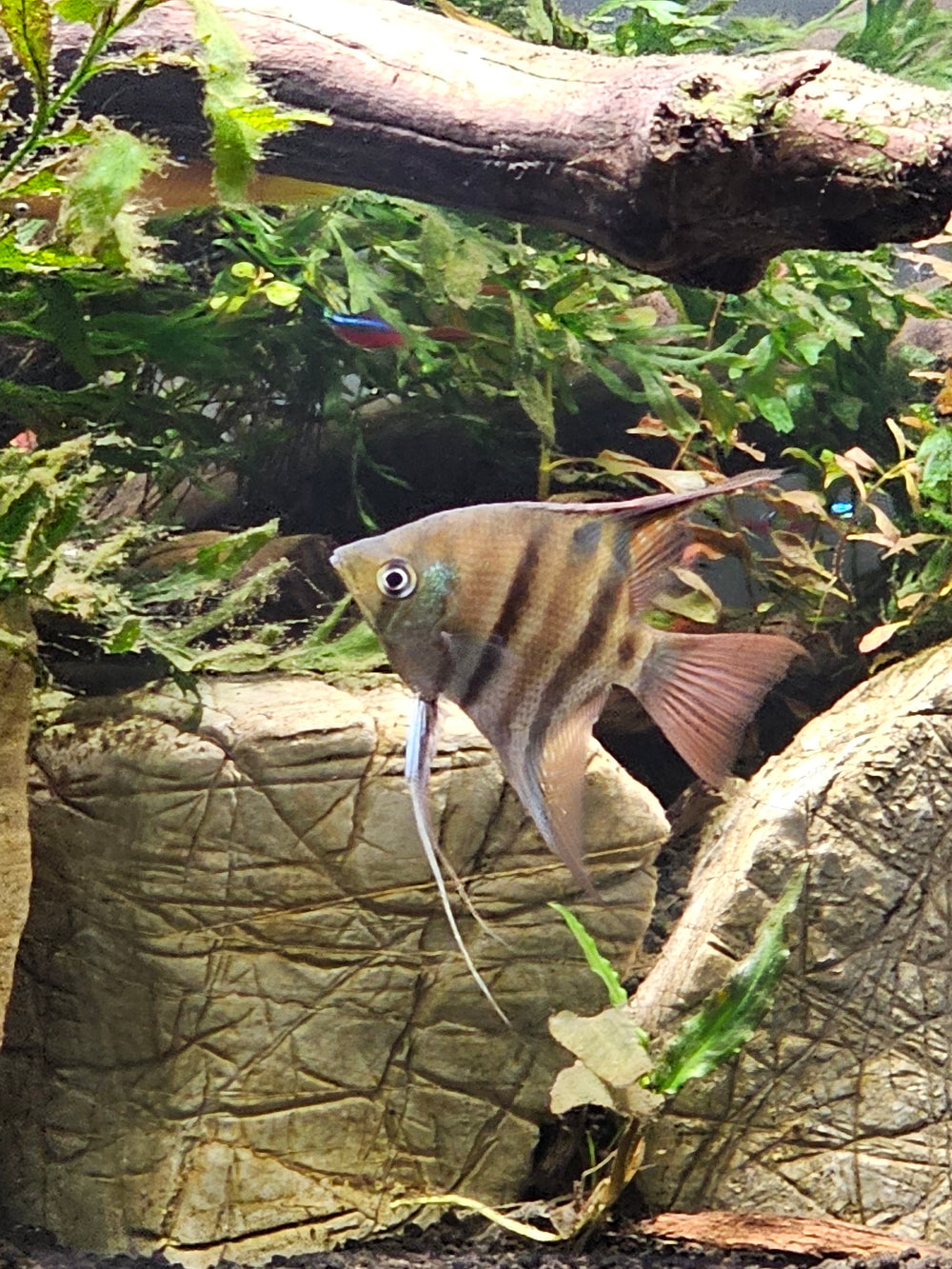
Leopoldi Angelfish Large (Pterophyllum Leopoldi) Wild caught
Leopoldi Angelfish Large (Pterophyllum Leopoldi) Wild caught is backordered and will ship as soon as it is back in stock.
Delivery and Shipping
Delivery and Shipping
Product Refunds & Returns
- Returns can be processed within 14 days from purchase.
- To return products, they must be in original condition
- Shipping expenses are not refundable
- If your items have been damaged in shipping, please contact us within 24 hours of receipt with photos, and we will assist you.
Livestock Refunds, Returns, & Surrenders
- If you are unhappy with your livestock for any reason, you can bring it back within 72 hours for a full refund; we do not pick up returns
Leopoldi Angelfish Large (Pterophyllum Leopoldi) Wild caught
Leopoldi Angelfish Large (Pterophyllum Leopoldi) Wild caught
Description
Description
Leopoldi Angelfish (Pterophyllum leopoldi) — also known as the Long Nose Angelfish — is the rarest and smallest of the three recognized angelfish species in the Pterophyllum genus. Wild-caught specimens from the Essequibo and Rupununi river systems in Guyana and parts of the Amazon basin are especially prized for their natural beauty and unique behavior.
Species Overview
- Scientific Name: Pterophyllum leopoldi
- Common Names: Leopold's Angelfish, Long Nose Angelfish, Roman-Nosed Angelfish
- Size: Typically 4–5 inches; can reach up to 6 inches in ideal conditions
- Lifespan: Up to 10 years
- Temperament: Peaceful but territorial during breeding
- Difficulty: Intermediate to advanced aquarists
Natural Habitat
- Found in slow-moving, soft, acidic waters of the Essequibo and Rupununi river drainage in Guyana and the Amazon basin.
- Prefers areas with broad-leaved vegetation, gentle currents, and plenty of hiding spots.
- Coexists with other South American cichlids in diverse ecosystems.
Aquarium Setup
- Tank Size: Minimum 30 gallons for a small group; taller tanks preferred due to long trailing fins.
-
Water Parameters:
- Temperature: 75–82°F (24–28°C)
- pH: 6.0–7.5
- Hardness: 3–12 dGH (soft to moderately hard)
- Nitrates: Keep below 20 ppm
-
Décor:
- Broad-leaved plants, driftwood, and hiding spots
- Gentle filtration and subdued lighting
- Tank Mates: Peaceful South American species like Corydoras, tetras, and other small cichlids
Diet
-
Omnivorous: Feed a varied diet of:
- High-quality pellets
- Live/frozen foods: brine shrimp, bloodworms, daphnia, mosquito larvae
- Feeding Tip: Observe during feeding to ensure all fish get their share
Breeding
-
Breeding Behavior:
- Territorial during spawning
- Subtle sexual dimorphism: males may have more pronounced anal fins
-
Spawning Setup:
- Provide vertical surfaces (e.g., broad leaves or slate)
- Maintain stable water conditions and low stress
-
Fry Care:
- Eggs hatch in 2–3 days
- Fry feed on yolk sacs initially, then baby brine shrimp
Specifications
Specifications
-
CategoryCichlids
-
Species TypeAngelfish
-
Water Temperature
-
Minimum Tank Size30 Gallons
-
Water pH LevelAcidic, Neutral
-
Habitat PreferenceDriftwood, Hiding Spots, Planted Tanks
-
BehaviourSemi-aggressive, Community Fish
Payment & Security
Payment methods
Your payment information is processed securely. We do not store credit card details nor have access to your credit card information.